What Are Essential Fatty Acids?
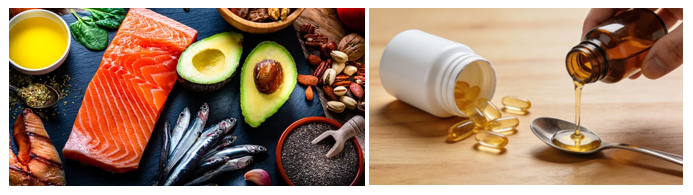
Essential Fatty Acids are fatty acids the human body cannot naturally produce on its own, but requires to function properly. This includes linoleic acid (ω-6, omega-6 fatty acids) and alpha-linoleic acid (ω-3, omega-3 fatty acids). Due to our inability to produce them, these essential fatty acids have to be sourced through our diets (Kaur et. al, 2012).
The lack of essential fatty acids has been shown to cause skin conditions such as scaly skin, and may impact various functions in our body that they play a role in, including our visual, neural, and immune systems. Despite this, deficiencies in essential fatty acids are uncommon, and only occur in extreme restrictive diets. It is always important to have a balanced diet with a wide variety of foods to ensure that we can deliver all the necessary components that our body needs. Explore the current Canadian Food Guidelines here: https://food-guide.canada.ca/en/ to learn more about having a healthy, balanced diet.
https://ods.od.nih.gov/factsheets/Omega3FattyAcids-HealthProfessional/#en5
Omega-3 vs. Omega-6
Omega-3 and omega-6 are both polyunsaturated fatty acids (PUFAs), differing in the location of their carbon-carbon double bonds. While both are essential to the human body for differing reasons, the ratio of omega-6 to omega-3 in a typical Western diet is currently much higher than ideal.
As our dietary patterns have evolved over time, our intake of omega-3 and omega-6 fatty acids have changed drastically. Our consumption of omega-6 has highly increased, largely due to the use of seed oils such as corn and safflower, as well as meat and poultry (Simopoulos, 2001). On the other hand, our consumption of omega-3 has decreased. This greater ratio of omega-6 to omega-3 is believed to increase inflammation in the body, along with higher risks of cardiovascular events (Kaur et. al, 2012).
The ratio between omega-6 to omega-3 should be kept low, with the ideal ratio falling between 1:1 to 4:1 (Simopoulos, 2010). Studies suggest that this may help reduce the risk of various health implications including autoimmune diseases, asthma, and allergies among others (DiNicolantonio & O’Keefe, 2021).
https://www.redalyc.org/pdf/3092/309226770013.pdf –> omega 6:3 ratios, health implications, nutritional recommendations
EPA vs. DHA vs. ALA
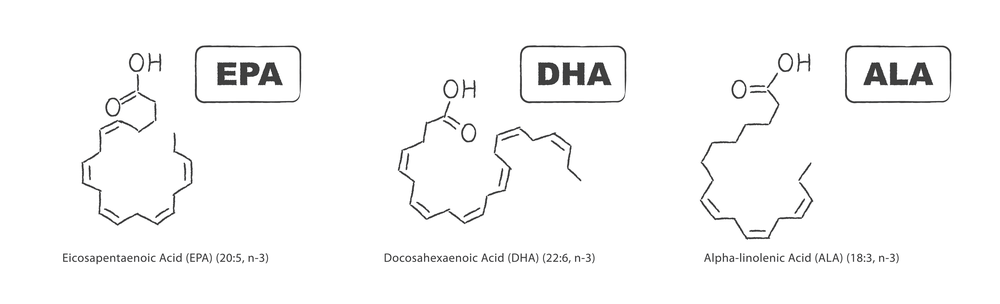
EPA, DHA, and ALA are omega-3 fatty acids that are derived from various sources and serve important, but different functions throughout the body.
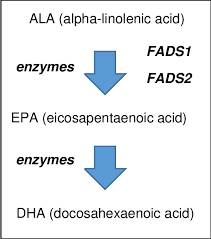
ALA is found in seeds and plants, while EPA and DHA are mainly found in fatty fish and algae. In the body, some ALA can be converted to EPA and DHA, but at very low levels, under 10% (Swanson et. al, 2012). Hence, most of our EPA and DHA is acquired through our diets and supplements. When choosing supplements, it is important to note that not all omega-3 supplements are built the same. Do your own research and pay attention to the concentrations and ratio between EPA and DHA (generally around 1:1 to 2:1), and whether or not they have a Natural Product Number (NPN), to ensure they meet Health Canada standards.
Common Sources of Omega-3 (Foods & Supplements)

Over the years, our consumption of omega-3 has largely declined due to changes in our dietary habits. Incorporating more omega-3 into the diet can be beneficial, and can be done through a large variety of options.
Omega-3 is largely available in oily fish such as salmon, sardines, and mackerel, which are commonly used in the production of omega-3 supplements. However, many individuals do not regularly consume fish in their diets, and can consider alternative options. Omega-3 is commonly found within:
- Nuts such as walnuts, macadamia nuts, hazelnuts, and pecans
- Seeds such as flax, chia, and hemp
- Vegetables such as spinach, kale, brussels sprouts, edamame & avocados
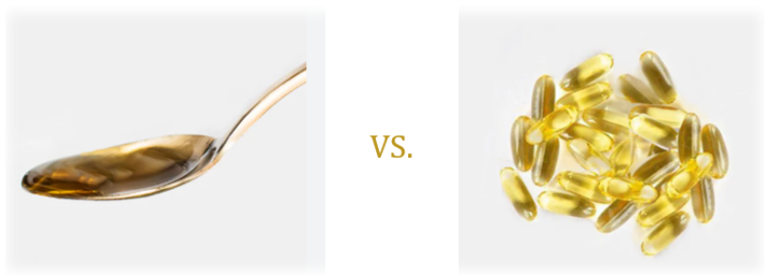
Over-the-counter (OTC) supplements also widely used, offering higher doses, and ease of consumption. These OTC supplements can be found in most drugstores, and come in various forms, often in capsules or flavoured liquid to mask the fishy taste. Some liquid supplements may provide higher bioavailability and higher doses compared to capsules, overall leading to higher cost – effectiveness. On the downside, they may not be as convenient as capsules, and often have a shorter shelf life. Some individuals may also find it difficult to tolerate the taste of the liquid oils, even with additional flavouring added. These are all things to consider when deciding which method of consumption is best for yourself.
Prescription omega-3 medications (e.g. Lovaza) are also available for individuals with hypertriglyceridemia, typically with higher purity and containing much higher doses than OTC options. For the average person, however, regular OTC omega-3 supplements are sufficient.
While fish-based omega-3 supplements are the most popular, other options are also available for those who are vegetarian or are concerned about the possible environmental impact from the production process. Omega-3 is found in marine phytoplankton that make their way up the food chain into the fish that we consume (Priyadarsini et. al, 2022). Algae-based omega-3 supplements are a great alternative to achieve the same benefits provided by the fish-based options.

Recommended Intake
A general recommendation for the daily amounts of EPA, DHA, and ALA is:
- Around 250 – 500mg of EPA and DHA combined
- Around 1100 – 1600 mg of ALA
Increasing the dose of omega-3s may lead to increased benefits in some areas, however, it is not recommended to exceed 5000mg or 5g per day. Too much consumption may lead to more harm than good.
Consult a health professional, and review the Alberta Health Services guide to learn more about dosing and sources of omega-3s: https://www.albertahealthservices.ca/assets/info/nutrition/if-nfs-omega-3-fats.pdf.
Benefits of Omega-3
Scientists are constantly doing research on the effects that omega-3 has throughout the human body. While more evidence is needed to support many of its benefits, there has been increasing support that omega-3 can indeed play a role in improving our health. Research suggests that omega-3 can have various impacts on the body, including but not limited to:
- The prevention of cardiovascular events (Simopoulos, 2002)
- Anti-inflammatory effects, reducing symptoms associated with rheumatoid arthritis, inflammatory bowel disease, and certain cancers (Simopoulos, 2002)
- Supporting electrical signaling in the brain (Kaur et. al, 2012)
- Improving response to visual stimuli in the retina (Kaur et. al, 2012)
- Supporting maternal health and fetal growth and development
- Possible benefits in mental health and cognition in certain individuals
https://ods.od.nih.gov/factsheets/Omega3FattyAcids-HealthProfessional/#en5
Potential side effects of Omega-3
Research has shown that the consumption of omega-3 supplements is generally safe. Some studies have suggested more significant effects such as impacting the body’s ability to control bleeding through reducing platelet aggregation, and suppressing the body’s immune response, particularly at higher doses (Kaur et. al, 2012). Individuals who are taking medications that have blood thinning effects should take this into account when considering taking omega-3. In addition, supplements may contain other components such as vitamin A and vitamin D.
It is important to consult with a health professional prior to consumption to ensure that it is the right product for you, and that it is safe for you as an individual. Health professionals may help to clarify concerns regarding dosing, interactions with current meds you may be taking, and more.
Overall, most individuals experience mild side effects, if any at all. These commonly include:
- Gastrointestinal upset (nausea, diarrhea, bloating)
- Unpleasant breath (lingering fishy aftertaste)
- Strong body odour (fishy sweat)
…and are mainly associated with fish-based products (Elgar, 2022). To avoid these effects, you may try different types of omega-3 supplements to see what works best, or simply focus on incorporating foods high in omega-3 into your diet instead.
Key Takeaways
- Do your own research and find reputable sources – not all omega-3 supplements are created equal (cost-effectiveness, purity, etc.)
- Generally recommended intake: between 250 – 500mg of EPA+DHA, along with 1100 – 1600 mg of ALA
- Minimal side effects and risks vs. the multitude of health benefits, making it a supplement worth trying
- There are many different ways to incorporate more omega-3 into your diet (supplements, fatty fish, nuts, etc.)
- As with any other health supplements, consult with a healthcare provider prior to taking omega-3 to ensure it is the right product for you
Sources
Kaur et al. (2012). Essential fatty acids as functional components of foods – a review. Journal of food science and technology, Volume 51(10). https://doi.org/10.1007/s13197-012-0677-0
Elgar, K. (2022). EPA/DHA: A Review of Clinical use and Efficacy. Nutritional Medicine Journal, Volume 1 (2), 97-132. https://www.nmi.health/epa-dha-a-review-of-clinical-use-and-efficacy/
https://www.intechopen.com/chapters/54169?__s=xxxxxxx&utm_source=drip&utm_medium=email&utm_campaign=Dr.%20Casey%27s%20Kitchen%3A%20Why%20Farming%20Matters%20for%20Metabolic%20Health –> more on FA in general, o3 and o6, DHA and EPA specifically…
Swanson et al. (2012). Omega-3 Fatty Acids EPA and DHA: Health Benefits Throughout Life. Advances in Nutrition, Volume 3(1), p. 1-7. https://www.sciencedirect.com/science/article/pii/S2161831322009620
National Institutes of Health Office of Dietary Supplements. Omega-3 Fatty Acids. https://ods.od.nih.gov/factsheets/Omega3FattyAcids-HealthProfessional
Candela et al. (2011). Importance of a balanced omega 6/omega 3 ratio for the maintenance of health. Nutritional recommendations. Nutricion Hospitalaria, Volume 26(2), p. 323-329. https://www.redalyc.org/pdf/3092/309226770013.pdf
DiNicolantonio, J.J. & O’Keefe, J. (2021). The importance of Maintaining a Low Omega-6/Omega-3 Ratio for Reducing the Risk of Autoimmune Diseases, Asthma, and Allergies. Missouri Medicine, Volume 118(5), p. 453-459. https://pmc.ncbi.nlm.nih.gov/articles/PMC8504498
Leave a Reply