Author: Xylene Yim

  • Sleep

    Sleep is vital, constituting approximately one-third of our every day, and ultimately one-third of our entire lives. Some may see it as relaxing and something to look forward to, while others may find it stressful or “not worth the time”. While it is essential, it is largely neglected by many individuals in the modern world. With countless responsibilities and tasks waiting to be done, a splash of water on the face and several cups of coffee are often what get most people through the day.

    It has been long known that sleep is crucial to our health and wellbeing, being a time where our bodies will rest and recover, memories will consolidate, and processes such as tissue repair and muscle growth will occur. It is necessary that we receive adequate amounts of sleep to function and thrive.

    Stages of Sleep
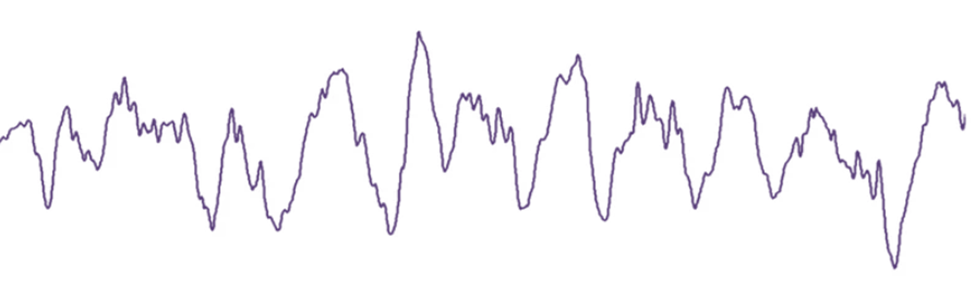
    During sleep, we go through several cycles, in which we transition between REM (rapid eye movement) and NREM (non-rapid eye movement) sleep.

    REM

    The REM stage is where our bodies will enter atonia (temporary muscle paralysis), and our minds become highly active, creating vivid dreams and imagery, processing and sorting new information that we have acquired throughout the day.

    NREM

    The NREM stage is further subdivided into 3 stages: N1, N2, and N3. The first two stages, N1 and N2, are periods of rather lighter sleep, helping us transition into deeper sleep, and involves memory consolidation.

    N3 is where we enter the deepest stage of slow wave sleep. It is during this stage that our bodies will go through the most physical restoration. Our immune systems become stronger, tissues get repaired, and muscles recover (Patel et. al, 2024). The reduction of inflammation that occurs is important in reducing the risk of developing inflammation-related chronic diseases (e.g. cancer, chronic pain, cardiovascular, metabolic, autoimmune, and neurodegenerative diseases) and all-cause mortality (Engert & Besedovsky, 2025).

    Sleep also allows our bodies the chance to replenish itself with energy, particularly important for when we are sick or injured, but always crucial to prepare us for the next day.

    General Guidelines – How Much Sleep Is Needed?

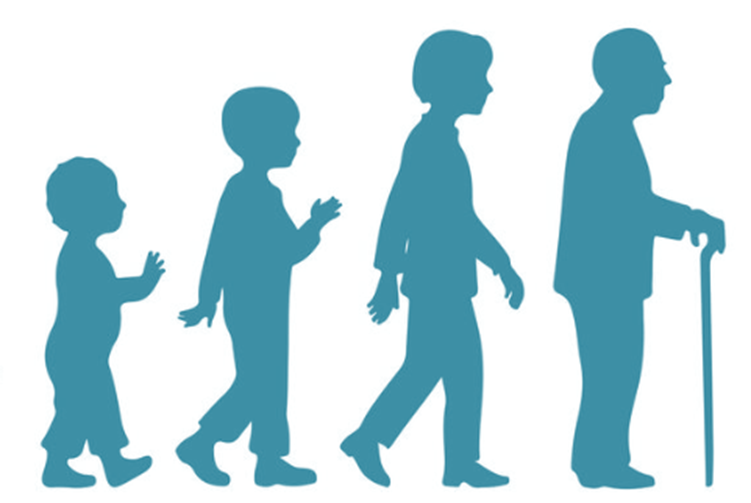
    The amount of sleep needed may differ from person to person, depending on factors such as genetics and energy expenditure throughout the day. However the following, acquired from the Canadian 24-Hour Movement Guidelines, provides general recommendations for ideal sleep durations for different age categories:

    • Children (aged 5-13 ): 9-11 hours
    • Teenagers (aged 14-17): 8-10 hours
    • Adults (aged 18-64): 7-9 hours
    • Older Adults (aged 65+): 7-8 hours

    Our bodies’ ability to produce hormones that regulate our sleep also changes throughout our lifetime. With levels of melatonin peaking during adolescence, and declining throughout the years. This contributes to changes in sleep habits that older adults experience, along with their difficulty achieving the same 7-8 hours of sleep that their bodies may still require.

    Sleep Deprivation

    While people may experience sleep deprivation here and there, it can have a large impact on one’s functioning and health in the long run. Sleep deprivation is associated with an increased risk of many health issues including:

    • All-cause mortality
    • Metabolic Syndrome (e.g. diabetes, obesity)
    • Cardiovascular diseases
    • Mental health disorders (e.g. anxiety, depression)

    (Shah et. al, 2025)

    It is important to make room for sleep every night, even within the busiest of schedules. For individuals who deal with insomnia and other sleeping disorders, this may be easier said than done. Medications and sleeping equipment may aid the sleeping process, in addition to adopting various lifestyle habits.

    Work is also a main factor behind the prevalence of sleep deprivation in modern society, causing chronic stress, elevated cortisol levels, and disrupted sleep patterns, particularly in those who work overtime or unconventional shifts. While we may occasionally experience the effects of jet lag from travelling across time zones, some individuals experience the same effects all the time, and this can negatively impact their health in the long run – something worth considering when deciding jobs.

    Ways to Improve Sleep

    Mattresses, Pillows, and Bedding

    Choosing the right mattresses, pillows, and bedding, can help promote comfort and better sleep quality. Although it may ultimately depend on the individual’s personal preferences and require individual testing, studies generally recommend:

    • Mattresses with medium firmness
    • Pillows with curves that support the cervical spine
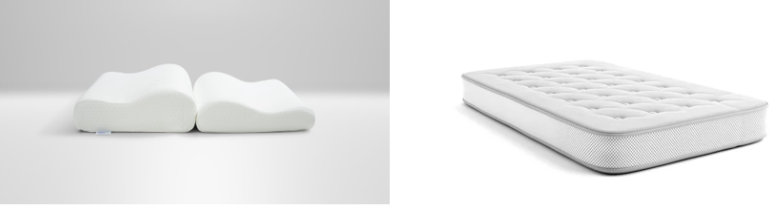
    Studies describe mattresses with medium firmness as being the best for spinal alignment, and may help reduce the risk of back pain (Kovacs et. al, 2003; Radwan et. al, 2015; Caggiari et al, 2021). Similarly, the ideal pillow should have curves that support the cervical spine, which may reduce the risk of neck pain (Persson, 2009; Yim, 2015).

    Ensuring that you are sleeping comfortably and well-supported is important not only for the sake of comfort, but also for the sake of health and wellbeing. Given the importance of getting enough quality sleep, it is worth the effort to search for equipment to make it the best experience possible.

    Lifestyle Habits

    Adopting certain lifestyle habits can also help promote sleep. For example:

    • Relaxation techniques (e.g. deep breathing, meditation)
    • Avoiding intake of stimulants (e.g. caffeine in tea, coffee) late in the day
    • Creating a “good sleep environment” (e.g. suitable mattress, pillow, temperature, and lighting)
    • Maintaining a consistent sleep schedule by sleeping and waking up at the same time every day, so as to not disrupt the circadian rhythm
    • Regular physical exercise

    In particular, lighting is very crucial, affecting the production and release of hormones such as melatonin and cortisol, which are involved in making us feel “sleepy” or “awake”. Taking action to ensure that your sleep environment is dim (e.g. turning down the lights, pulling the curtains), putting down electronic devices, and using accessories such as an eye mask, can all aid melatonin in guiding you into deep slumber.

    Circadian Rhythm, Hormones, and Stress

    As previously mentioned, the key “sleep” and “wake” hormones involved in our circadian rhythms are melatonin and cortisol, respectively. These hormones are chemical messengers released during different parts of the day, influenced by external factors such as light, and internal factors such as stress.

    Cortisol

    Cortisol is the body’s “wake” hormone. Levels of cortisol increase closer to the morning, helping us transition into alertness and ultimately waking up to tackle the day. In addition, cortisol acts as the main “stress hormone” in the body. When an individual is highly stressed, cortisol levels increase and melatonin production decreases, leading to difficulty and low quality sleep. Other factors such as caffeine intake contribute to the issue as well.

    Melatonin

    Melatonin is the body’s sleep hormone, produced and released when the day gets dark. With the rise of electronic devices and LED screens, it is important to note that blue-light emitted from these devices can suppress melatonin secretion (Wahl et. al, 2019) . While many people love to fall asleep watching videos online or scrolling on social media, it is important to put the devices down and reduce screentime close to bedtime.

    Melatonin Supplements

    As of recent years, melatonin supplements have been increasingly used, believed to aid those who have difficulty sleeping. Melatonin seems to be safe to use in moderation, at least in the short run, and may help some individuals with sleep problems. However, there is a lack of large-scale scientific studies that provide evidence to support its effectiveness and long term use. Prior to taking melatonin supplements, it is important to consult with a health professional to understand the product and the risks and benefits associated with it, including dosing, interactions with other medications, and possible side effects. Choosing a reputable brand, and products with an NPN (Natural Product Number) is important to ensure that it has been well researched to be safe and effective.

    Sleeping Posture

    Individual preferences for sleep posture may vary, and postures may change throughout the night. Different positions will put the spine in different alignments, some of which are more ideal than others. Ideally, the spine and its curves should be supported in the neutral position, avoiding excessive strain in any part of the body.

    In general, there are three main postures:

    • Supine (lying on the back)
    • Lateral (side, either left or right)
    • Prone (lying face down)

    ✰ Studies generally recommend the supine position, in which spinal alignment is ideal, preventing strain and risk of pain, mainly in the lumber (lower back) and cervical (neck) regions (Ylinen et. al, 2024; Saini et. al, 2025).

    ✰ However, statistics show that people mostly prefer side sleeping, and when done in good spinal alignment, this can be a good option as well.

    In addition, some recommend adding a pillow underneath the knees (in supine position) or between the knees (in the side position) to further support spinal alignment.

    Finally, sleeping in the prone position is least common and not recommended, as it increases strain on the spine (Saini et. al, 2025).

    Pain and Sleeping

    Those who suffer from chronic pain may find themselves struggling to fall asleep at night. This can become a vicious cycle where the pain prevents one from falling asleep, and lack of sleep further contributes to the pain. Research has shown that sleep can help reduce inflammation and increase one’s pain tolerance. It can be difficult to break this cycle, and it is important to find treatments to manage the root of the problem – the pain itself – before other aspects of your life become affected as well.

    Various treatment options are available depending on the pain you are experiencing. For individuals who suffer from neck, shoulder, and back pain, consider options that may help to alleviate pain and provide relief, such as:

    • Chiropractic treatment
    • Registered massage therapy
    • Staying physically active

    As always, seek advice from a health professional to discuss safe treatment options and exercise regimens that are safe and suitable for you as an individual.

    General Takeaways

    • Adults generally need 7-9 hours of sleep per night
    • Try to maintain a consistent sleep schedule and adopt good habits to improve sleep quality
    • Long-term sleep deprivation can lead to an increased risk of negative health outcomes (e.g. chronic diseases, mental health disorders)
    • Choosing the right type of mattress and pillow is important – ideally of medium-firmness and providing adequate support for the spine
    • Seek help if you are experiencing long-term difficult with sleeping (e.g. getting diagnosed with a sleep disorder, treating underlying pain)

    References

    Caggiari et al. (2021). What type of mattress should be chosen to avoid back pain and improve sleep quality? Review of the literature. Journal of Orthopaedics and Traumatology, Volume 22(51).

    Enzuntung, S. U & Beziehung, E. W. (2025). Sleep and inflammation: a bidirectional relationship. Somnologie, Volume 29, p. 3-9.

    Kovacs et al. (2003). Effect of firmness of mattress on chronic non-spefici low-back pain: randomised, double-blind, controlled, multicentre trial. The Lancet, Volume 362(9396). https://doi.org/10.1016/S0140-6736(03)14792-7

    Patel et al.(2024). Physiology, Sleep Stages. StatPearls. https://www.ncbi.nlm.nih.gov/books/NBK526132/

    Persson, L. (2009). Neck pain and pillows – A blinded study of the effect of pillows on non-specific neck pain, headache, and sleep. Advances in Physiotherapy, Volume 8(3). https://doi.org/10.1080/14038190600780239

    Radwan et al. (2015). Effect of different mattress designs on promoting sleep quality, pain reduction, and spinal alignment in adults with or without back pain; systematic review of controlled trials. Sleep Health, Volume 1(4). https://doi.org/10.1016/j.sleh.2015.08.001

    Saini et al. (2025). Relationship Between Sleep Posture and Low Back Pain: A Systematic Review. Musculoskeletal Care, Volume 23(2). https://doi.org/10.1002/msc.70114

    Shah et al.(2025). Effects of Sleep Deprivation on Physical and Mental Health Outcomes: An Umbrella Review. American Journal of Lifestyle Medicine. https://doi.org/10.1177/15598276251346752

    Wahl et al. (2019). The inner clock – Blue light sets the human rhythm. Journal of Biophotonics, Volume 12(12). https://doi.org/10.1002/jbio.201900102

    Ylinen et al. (2024). Sleeping Position Associated with Well-Being and Mattress Type Linked to Low Back Pain. Journal of Yoga and Physiotherapy, Volume 11(2). DOI: 10.19080/JYP.2024.10.555809

    Yim, J. E. (2015). Optimal Pillow Conditions for High-Quality Sleep: A Theoretical Review. Indian Journal of Science and Technology, Volume 8(S5). doi:10.17485/ijst/2015/v8iS5/62330

    24-Hour Movement Guidelines. csepguidelines.ca

  • Omega-3

    What Are Essential Fatty Acids?

    Essential Fatty Acids are fatty acids the human body cannot naturally produce on its own, but requires to function properly. This includes linoleic acid (ω-6, omega-6 fatty acids) and alpha-linoleic acid (ω-3, omega-3 fatty acids). Due to our inability to produce them, these essential fatty acids have to be sourced through our diets (Kaur et. al, 2012).

    The lack of essential fatty acids has been shown to cause skin conditions such as scaly skin, and may impact various functions in our body that they play a role in, including our visual, neural, and immune systems. Despite this, deficiencies in essential fatty acids are uncommon, and only occur in extreme restrictive diets. It is always important to have a balanced diet with a wide variety of foods to ensure that we can deliver all the necessary components that our body needs. Explore the current Canadian Food Guidelines here: https://food-guide.canada.ca/en/ to learn more about having a healthy, balanced diet.

    https://ods.od.nih.gov/factsheets/Omega3FattyAcids-HealthProfessional/#en5

    Omega-3 vs. Omega-6

    Omega-3 and omega-6 are both polyunsaturated fatty acids (PUFAs), differing in the location of their carbon-carbon double bonds. While both are essential to the human body for differing reasons, the ratio of omega-6 to omega-3 in a typical Western diet is currently much higher than ideal.

    As our dietary patterns have evolved over time, our intake of omega-3 and omega-6 fatty acids have changed drastically. Our consumption of omega-6 has highly increased, largely due to the use of seed oils such as corn and safflower, as well as meat and poultry (Simopoulos, 2001). On the other hand, our consumption of omega-3 has decreased. This greater ratio of omega-6 to omega-3 is believed to increase inflammation in the body, along with higher risks of cardiovascular events (Kaur et. al, 2012).

    The ratio between omega-6 to omega-3 should be kept low, with the ideal ratio falling between 1:1 to 4:1 (Simopoulos, 2010). Studies suggest that this may help reduce the risk of various health implications including autoimmune diseases, asthma, and allergies among others (DiNicolantonio & O’Keefe, 2021).

    https://www.redalyc.org/pdf/3092/309226770013.pdf –> omega 6:3 ratios, health implications, nutritional recommendations

    EPA vs. DHA vs. ALA

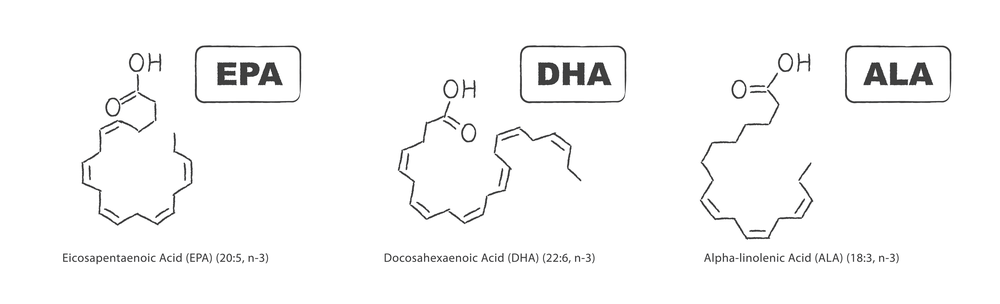
    EPA, DHA, and ALA are omega-3 fatty acids that are derived from various sources and serve important, but different functions throughout the body.

    ALA is found in seeds and plants, while EPA and DHA are mainly found in fatty fish and algae. In the body, some ALA can be converted to EPA and DHA, but at very low levels, under 10% (Swanson et. al, 2012). Hence, most of our EPA and DHA is acquired through our diets and supplements. When choosing supplements, it is important to note that not all omega-3 supplements are built the same. Do your own research and pay attention to the concentrations and ratio between EPA and DHA (generally around 1:1 to 2:1), and whether or not they have a Natural Product Number (NPN), to ensure they meet Health Canada standards.

    Common Sources of Omega-3 (Foods & Supplements)

    Over the years, our consumption of omega-3 has largely declined due to changes in our dietary habits. Incorporating more omega-3 into the diet can be beneficial, and can be done through a large variety of options.

    Omega-3 is largely available in oily fish such as salmon, sardines, and mackerel, which are commonly used in the production of omega-3 supplements. However, many individuals do not regularly consume fish in their diets, and can consider alternative options. Omega-3 is commonly found within:

    • Nuts such as walnuts, macadamia nuts, hazelnuts, and pecans
    • Seeds such as flax, chia, and hemp
    • Vegetables such as spinach, kale, brussels sprouts, edamame & avocados

    Over-the-counter (OTC) supplements also widely used, offering higher doses, and ease of consumption. These OTC supplements can be found in most drugstores, and come in various forms, often in capsules or flavoured liquid to mask the fishy taste. Some liquid supplements may provide higher bioavailability and higher doses compared to capsules, overall leading to higher cost – effectiveness. On the downside, they may not be as convenient as capsules, and often have a shorter shelf life. Some individuals may also find it difficult to tolerate the taste of the liquid oils, even with additional flavouring added. These are all things to consider when deciding which method of consumption is best for yourself.

    Prescription omega-3 medications (e.g. Lovaza) are also available for individuals with hypertriglyceridemia, typically with higher purity and containing much higher doses than OTC options. For the average person, however, regular OTC omega-3 supplements are sufficient.

    While fish-based omega-3 supplements are the most popular, other options are also available for those who are vegetarian or are concerned about the possible environmental impact from the production process. Omega-3 is found in marine phytoplankton that make their way up the food chain into the fish that we consume (Priyadarsini et. al, 2022). Algae-based omega-3 supplements are a great alternative to achieve the same benefits provided by the fish-based options.

    Recommended Intake

    A general recommendation for the daily amounts of EPA, DHA, and ALA is:

    • Around 250 – 500mg of EPA and DHA combined
    • Around 1100 – 1600 mg of ALA

    Increasing the dose of omega-3s may lead to increased benefits in some areas, however, it is not recommended to exceed 5000mg or 5g per day. Too much consumption may lead to more harm than good.

    Consult a health professional, and review the Alberta Health Services guide to learn more about dosing and sources of omega-3s: https://www.albertahealthservices.ca/assets/info/nutrition/if-nfs-omega-3-fats.pdf.

    Benefits of Omega-3

    Scientists are constantly doing research on the effects that omega-3 has throughout the human body. While more evidence is needed to support many of its benefits, there has been increasing support that omega-3 can indeed play a role in improving our health. Research suggests that omega-3 can have various impacts on the body, including but not limited to:

    • The prevention of cardiovascular events (Simopoulos, 2002)
    • Anti-inflammatory effects, reducing symptoms associated with rheumatoid arthritis, inflammatory bowel disease, and certain cancers (Simopoulos, 2002)
    • Supporting electrical signaling in the brain (Kaur et. al, 2012)
    • Improving response to visual stimuli in the retina (Kaur et. al, 2012)
    • Supporting maternal health and fetal growth and development
    • Possible benefits in mental health and cognition in certain individuals

    https://ods.od.nih.gov/factsheets/Omega3FattyAcids-HealthProfessional/#en5

    Potential side effects of Omega-3

    Research has shown that the consumption of omega-3 supplements is generally safe. Some studies have suggested more significant effects such as impacting the body’s ability to control bleeding through reducing platelet aggregation, and suppressing the body’s immune response, particularly at higher doses (Kaur et. al, 2012). Individuals who are taking medications that have blood thinning effects should take this into account when considering taking omega-3. In addition, supplements may contain other components such as vitamin A and vitamin D.

    It is important to consult with a health professional prior to consumption to ensure that it is the right product for you, and that it is safe for you as an individual. Health professionals may help to clarify concerns regarding dosing, interactions with current meds you may be taking, and more.

    Overall, most individuals experience mild side effects, if any at all. These commonly include:

    • Gastrointestinal upset (nausea, diarrhea, bloating)
    • Unpleasant breath (lingering fishy aftertaste)
    • Strong body odour (fishy sweat)

    …and are mainly associated with fish-based products (Elgar, 2022). To avoid these effects, you may try different types of omega-3 supplements to see what works best, or simply focus on incorporating foods high in omega-3 into your diet instead.

    Key Takeaways

    • Do your own research and find reputable sources – not all omega-3 supplements are created equal (cost-effectiveness, purity, etc.)
    • Generally recommended intake: between 250 – 500mg of EPA+DHA, along with 1100 – 1600 mg of ALA
    • Minimal side effects and risks vs. the multitude of health benefits, making it a supplement worth trying
    • There are many different ways to incorporate more omega-3 into your diet (supplements, fatty fish, nuts, etc.)
    • As with any other health supplements, consult with a healthcare provider prior to taking omega-3 to ensure it is the right product for you

    Sources

    Kaur et al. (2012). Essential fatty acids as functional components of foods – a review. Journal of food science and technology, Volume 51(10). https://doi.org/10.1007/s13197-012-0677-0

    Elgar, K. (2022). EPA/DHA: A Review of Clinical use and Efficacy. Nutritional Medicine Journal, Volume 1 (2), 97-132. https://www.nmi.health/epa-dha-a-review-of-clinical-use-and-efficacy/

    https://www.intechopen.com/chapters/54169?__s=xxxxxxx&utm_source=drip&utm_medium=email&utm_campaign=Dr.%20Casey%27s%20Kitchen%3A%20Why%20Farming%20Matters%20for%20Metabolic%20Health –> more on FA in general, o3 and o6, DHA and EPA specifically…

    Swanson et al. (2012). Omega-3 Fatty Acids EPA and DHA: Health Benefits Throughout Life. Advances in Nutrition, Volume 3(1), p. 1-7. https://www.sciencedirect.com/science/article/pii/S2161831322009620

    National Institutes of Health Office of Dietary Supplements. Omega-3 Fatty Acids. https://ods.od.nih.gov/factsheets/Omega3FattyAcids-HealthProfessional

    Candela et al. (2011). Importance of a balanced omega 6/omega 3 ratio for the maintenance of health. Nutritional recommendations. Nutricion Hospitalaria, Volume 26(2), p. 323-329. https://www.redalyc.org/pdf/3092/309226770013.pdf

    DiNicolantonio, J.J. & O’Keefe, J. (2021). The importance of Maintaining a Low Omega-6/Omega-3 Ratio for Reducing the Risk of Autoimmune Diseases, Asthma, and Allergies. Missouri Medicine, Volume 118(5), p. 453-459. https://pmc.ncbi.nlm.nih.gov/articles/PMC8504498

  • The Effects of Prolonged Sitting – Health Risks and Strategies

    Prolonged sitting is when you sit for extended periods of time. It is advised to take a break from sitting every 30 minutes, but many people tend to go much longer without doing so. Statistics show that on average, Canadians spend over 9 hours sitting per day, more than the recommended 8 hour maximum (Statistics Canada, 2025). In addition to sitting for prolonged periods of time, many people have poor posture, ultimately contributing to a multitude of negative health issues. Commonly, this includes pain in the neck, shoulders, and lower back, poor circulation, along with increased risks of diabetes and heart disease (Cleveland Clinic, 2025; Biswas, 2015).

    Common Associated Health Risks

    Pain

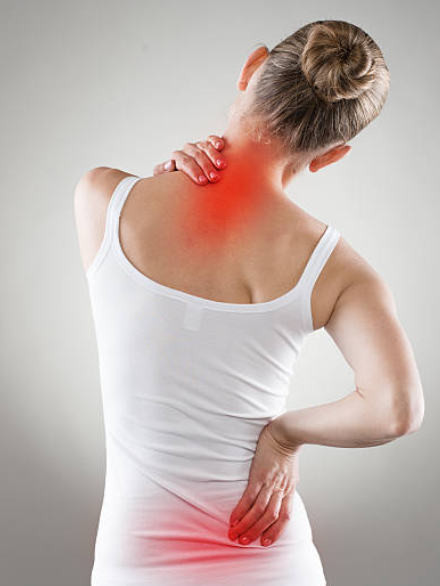
    Prolonged sitting, especially with poor posture, can often result in pain, commonly in the neck, shoulders, and lower back. UCLA Health explains that this pain may be due to the overstretching of and pressure put on your spinal structures and your muscles. Experiencing pain is a sign to make changes to your habits that are causing it. While treatment may help relieve your pain temporarily, only solving the root cause can prevent it from reoccurring or worsening in the future.

    Poor circulation

    Sitting for long periods of time can weaken your blood circulation, reducing the amount of blood delivered to the different parts of the body. Over time, this may lead to muscle fatigue and weakening. Some people may also experience blood pooling in the legs, leading to swelling, aching, and overall discomfort or pain. In these cases, compression socks may be worn to help improve circulation by applying pressure to the legs.

    Reduced flexibility, range of motion, and balance

    Inactivity and lack of use of your muscles, joints, and tissues from sitting all day can lead to reduced flexibility, range of motion, and balance. As you age, this may cause difficulties or discomfort when performing tasks even as simple as walking up the stairs or bending and reaching for stuff. Improving this can help reduce risk of injury in the long run, and can be done by implementing some stretches into your routine.

    Taking Breaks from Sitting

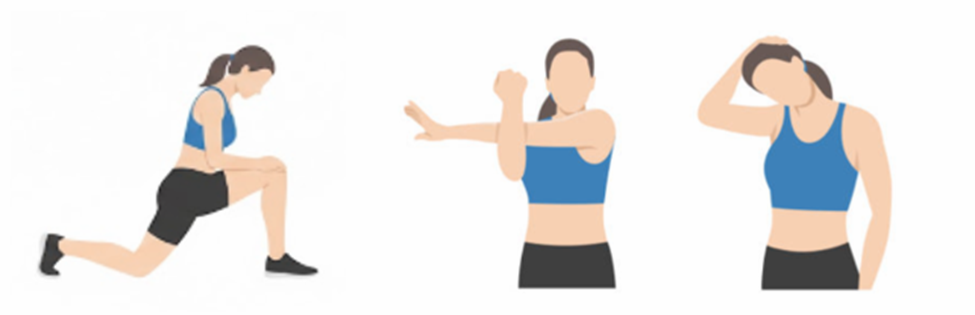
    A good rule of thumb is to take a break from sitting around every 30 minutes. This may include taking a short walk or even performing some simple stretches to relieve tension. Some examples may include neck extension and rotations, the seated torso rotation, and hip flexor stretches. These stretches are easy to do and do not require large amounts of time, but they can provide lots of benefits! Refer to our previous blog on The Benefits of Mobility Stretching to learn more about the different types of stretches and why stretching can be beneficial.

    There are also many alternatives to consider to avoid sitting throughout the day. This may include walking short distances instead of sitting in transportation or even standing while doing work or watching television.

    The “Better” Way to Sit

    When prolonged sitting is unavoidable, whether it is because of school or work, it is important to take measures to reduce the health risks that may come along with it.

    Posture

    Poor posture is a factor that contributes to pain in addition to prolonged sitting. Many people tend to slouch their backs and hunch their necks, leading to pain and discomfort over time. To prevent this, it is important to learn what good posture looks like and actively correcting your posture during occasional check ins. Having good posture is not only for aesthetics – it helps to prevent avoidable pains, along with other health benefits such as better digestion, better circulation, and stronger muscles.

    What does “good” posture look like?

    There is no single “perfect” posture, but there are some general guidelines that may be good to follow. This includes:

    • Keeping your head above your shoulders, avoiding a hunched neck
    • Sitting with your back and hips at 90°, back against the backrest for support
    • Resting your arms on the armrests with your elbows at 90°-120°
    • Feet flat on the floor, ankles separated, and knees bent at 90°

    (Cleveland Clinic and UCLA Health)

    If you have a previous habit of slouching and sitting with poor posture, it may take some time to “learn” how to sit with better posture. You can always refer back to the general guidelines and check in on your posture occasionally to remind yourself.

    Ergonomic Designs

    Ergonomics is the study of the interactions between people and their working environments. Concepts from ergonomics can be applied to designing and modifying the workplace to support the health of workers, prevent injuries, and improve long-term productivity. For example, office settings commonly have ergonomic chairs, desks, and other equipment to reduce the health risks associated with performing repetitive tasks or sitting for long periods throughout the day.

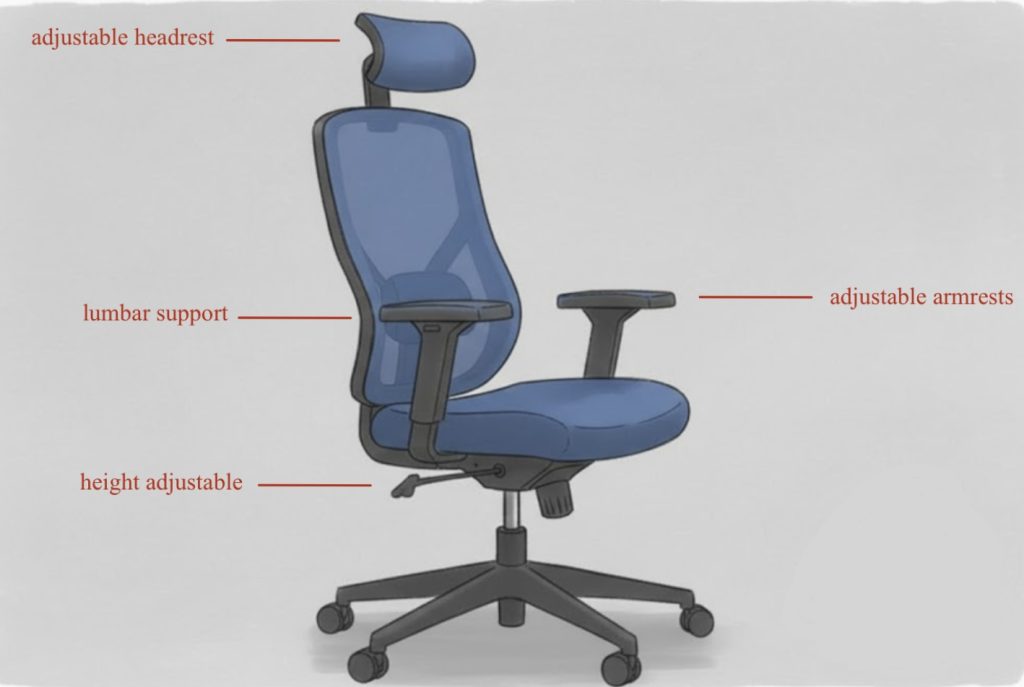
    Ergonomic chairs typically have adjustable features including the backrest, headrest, armrests, and lumbar support to help support your spine and it’s natural curve, aligning your body in a way that is most ideal for sitting. These can also be paired with height-adjustable desks, allowing you to sit or stand while you work, and further helps to achieve that comfortable and neutral position for each individual.

    Physical Activity

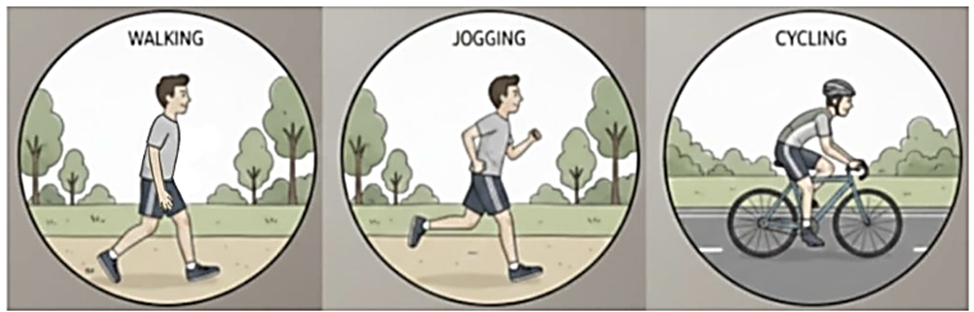
    Many people spend most of their waking hours sitting and neglect the importance of exercise. On average, it is recommended that Canadian adults and older adults aged 18-79 should receive around 150 minutes, or 2 ½ hours, of moderate to vigorous intensity physical activity spread throughout the week (CSEP). This may include brisk walking, jogging, cycling, and other activities that elevate your heart rate. It is important to note that many factors may hinder one’s ability to get as much physical activity, and that any physical activity can be beneficial and better than no activity at all.

    Regular physical activity is highly recommended for a healthy lifestyle and may reduce the negative health effects of prolonged sitting, but not completely (Biswas et al., 2015; Miller et al., 2016). Hence, focusing both on reducing the amount of time spent sitting and receiving adequate exercise is a smart idea.

    Key Takeaways

    • Take breaks from sitting throughout the day, ideally every 30 minutes
    • Be aware of your posture when sitting; avoid slouching your back and neck
    • Incorporate more physical activity into your daily life

    We offer chiropractic and registered massage therapy services that may help you with your concerns. Visit our website https://www.ruperthealth.com/ or call 604-435-2285 today to book an appointment and learn more about the services that we offer!

    References

    Biswas et al. (2025). Sedentary time and its association with risk for disease incidence, mortality, and hospitalization in adults: A systematic review and meta-analysis. Annals of internal medicine.https://pubmed.ncbi.nlm.nih.gov/25599350

    Canadian Society for Exercise Physiology (n.d.). Canadian 24-Hour Movement Guidelines For Adults (18-64 years). https://csepguidelines.ca/

    Cleveland Clinic (2025). Sedentary Lifestyle. https://health.clevelandclinic.org/sedentary-lifestyle

    Miller et al.(2016). The health benefits of exercise and physical activity – current nutrition reports. Current Nutrition, 5, 204-212. https://link.springer.com/article/10.1007/s13668-016-0175-5

    Statistics Canada. (2025). Table 13-10-0967-01 Average time spent sedentary, measured with an ActiGraph accelerometer, by age group and sex. https://doi.org/10.25318/1310096701-eng

    UCLA Health. (n.d.). Ergonomic and proper posture for sitting. https://www.uclahealth.org/medical-services/spine/patient-resources/ergonomics-prolonged-sitting