What is Prolonged Sitting and Why is it Bad?
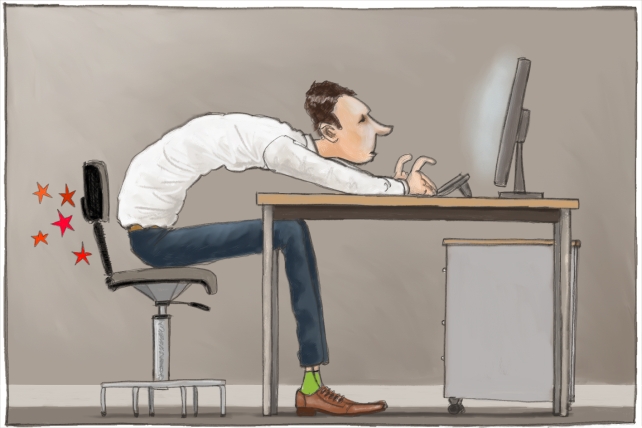
Prolonged sitting is when you sit for extended periods of time. It is advised to take a break from sitting every 30 minutes, but many people tend to go much longer without doing so. Statistics show that on average, Canadians spend over 9 hours sitting per day, more than the recommended 8 hour maximum (Statistics Canada, 2025). In addition to sitting for prolonged periods of time, many people have poor posture, ultimately contributing to a multitude of negative health issues. Commonly, this includes pain in the neck, shoulders, and lower back, poor circulation, along with increased risks of diabetes and heart disease (Cleveland Clinic, 2025; Biswas, 2015).
Common Associated Health Risks
Pain
Prolonged sitting, especially with poor posture, can often result in pain, commonly in the neck, shoulders, and lower back. UCLA Health explains that this pain may be due to the overstretching of and pressure put on your spinal structures and your muscles. Experiencing pain is a sign to make changes to your habits that are causing it. While treatment may help relieve your pain temporarily, only solving the root cause can prevent it from reoccurring or worsening in the future.
Poor circulation
Sitting for long periods of time can weaken your blood circulation, reducing the amount of blood delivered to the different parts of the body. Over time, this may lead to muscle fatigue and weakening. Some people may also experience blood pooling in the legs, leading to swelling, aching, and overall discomfort or pain. In these cases, compression socks may be worn to help improve circulation by applying pressure to the legs.
Reduced flexibility, range of motion, and balance
Inactivity and lack of use of your muscles, joints, and tissues from sitting all day can lead to reduced flexibility, range of motion, and balance. As you age, this may cause difficulties or discomfort when performing tasks even as simple as walking up the stairs or bending and reaching for stuff. Improving this can help reduce risk of injury in the long run, and can be done by implementing some stretches into your routine.
Taking Breaks from Sitting
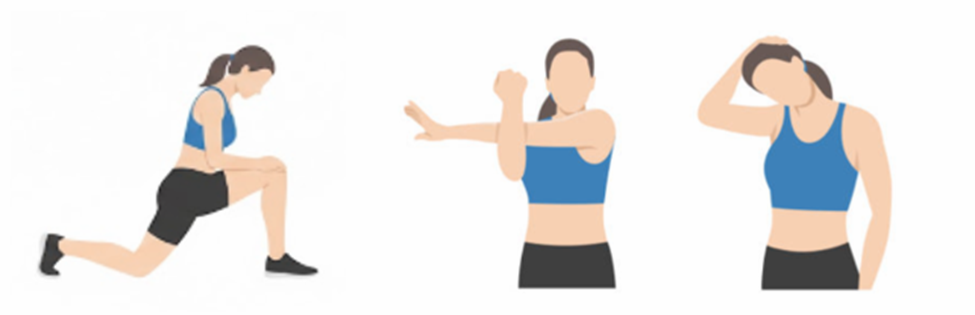
A good rule of thumb is to take a break from sitting around every 30 minutes. This may include taking a short walk or even performing some simple stretches to relieve tension. Some examples may include neck extension and rotations, the seated torso rotation, and hip flexor stretches. These stretches are easy to do and do not require large amounts of time, but they can provide lots of benefits! Refer to our previous blog on “The Benefits of Mobility Stretching“ to learn more about the different types of stretches and why stretching can be beneficial.
There are also many alternatives to consider to avoid sitting throughout the day. This may include walking short distances instead of sitting in transportation or even standing while doing work or watching television.
The “Better” Way to Sit
When prolonged sitting is unavoidable, whether it is because of school or work, it is important to take measures to reduce the health risks that may come along with it.
Posture
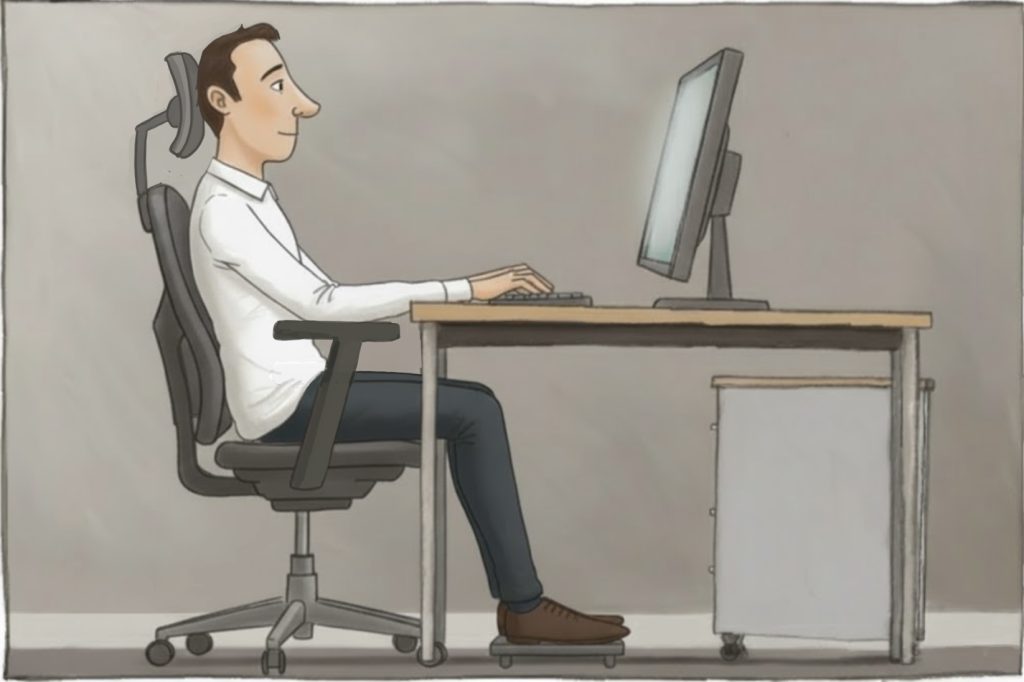
Poor posture is a factor that contributes to pain in addition to prolonged sitting. Many people tend to slouch their backs and hunch their necks, leading to pain and discomfort over time. To prevent this, it is important to learn what good posture looks like and actively correcting your posture during occasional check ins. Having good posture is not only for aesthetics – it helps to prevent avoidable pains, along with other health benefits such as better digestion, better circulation, and stronger muscles.
What does “good” posture look like?
There is no single “perfect” posture, but there are some general guidelines that may be good to follow. This includes:
- Keeping your head above your shoulders, avoiding a hunched neck
- Sitting with your back and hips at 90°, back against the backrest for support
- Resting your arms on the armrests with your elbows at 90°-120°
- Feet flat on the floor, ankles separated, and knees bent at 90°
(Cleveland Clinic and UCLA Health)
If you have a previous habit of slouching and sitting with poor posture, it may take some time to “learn” how to sit with better posture. You can always refer back to the general guidelines and check in on your posture occasionally to remind yourself.
Ergonomic Designs
Ergonomics is the study of the interactions between people and their working environments. Concepts from ergonomics can be applied to designing and modifying the workplace to support the health of workers, prevent injuries, and improve long-term productivity. For example, office settings commonly have ergonomic chairs, desks, and other equipment to reduce the health risks associated with performing repetitive tasks or sitting for long periods throughout the day.
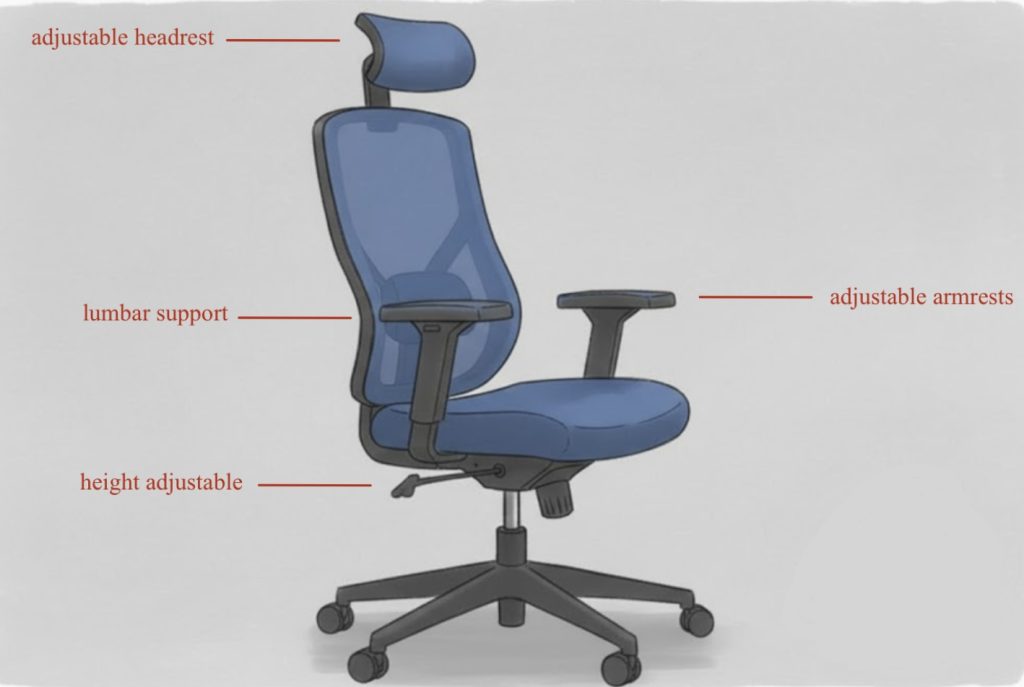
Ergonomic chairs typically have adjustable features including the backrest, headrest, armrests, and lumbar support to help support your spine and it’s natural curve, aligning your body in a way that is most ideal for sitting. These can also be paired with height-adjustable desks, allowing you to sit or stand while you work, and further helps to achieve that comfortable and neutral position for each individual.
Physical Activity
Many people spend most of their waking hours sitting and neglect the importance of exercise. On average, it is recommended that Canadian adults and older adults aged 18-79 should receive around 150 minutes, or 2 ½ hours, of moderate to vigorous intensity physical activity spread throughout the week (CSEP). This may include brisk walking, jogging, cycling, and other activities that elevate your heart rate. It is important to note that many factors may hinder one’s ability to get as much physical activity, and that any physical activity can be beneficial and better than no activity at all.
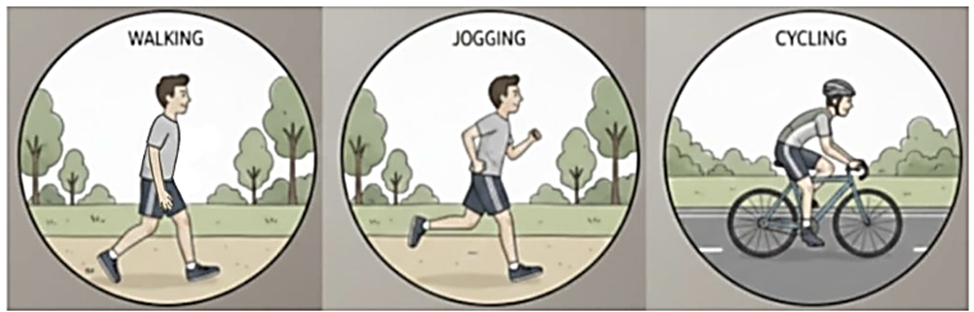
Regular physical activity is highly recommended for a healthy lifestyle and may reduce the negative health effects of prolonged sitting, but not completely (Biswas et al., 2015; Miller et al., 2016). Hence, focusing both on reducing the amount of time spent sitting and receiving adequate exercise is a smart idea.
Key Takeaways
- Take breaks from sitting throughout the day, ideally every 30 minutes
- Be aware of your posture when sitting; avoid slouching your back and neck
- Incorporate more physical activity into your daily life
- Seek treatment early if you are feeling pain, discomfort, or mobility issues caused by prolonged sitting
We offer chiropractic and registered massage therapy services that may help you with your concerns. Visit our website https://www.ruperthealth.com/ or call 604-435-2285 today to book an appointment and learn more about the services that we offer!
References
Biswas et al. (2025). Sedentary time and its association with risk for disease incidence, mortality, and hospitalization in adults: A systematic review and meta-analysis. Annals of internal medicine.https://pubmed.ncbi.nlm.nih.gov/25599350
Canadian Society for Exercise Physiology (n.d.). Canadian 24-Hour Movement Guidelines For Adults (18-64 years). https://csepguidelines.ca/
Cleveland Clinic (2025). Sedentary Lifestyle. https://health.clevelandclinic.org/sedentary-lifestyle
Miller et al.(2016). The health benefits of exercise and physical activity – current nutrition reports. Current Nutrition, 5, 204-212. https://link.springer.com/article/10.1007/s13668-016-0175-5
Statistics Canada. (2025). Table 13-10-0967-01 Average time spent sedentary, measured with an ActiGraph accelerometer, by age group and sex. https://doi.org/10.25318/1310096701-eng
UCLA Health. (n.d.). Ergonomic and proper posture for sitting. https://www.uclahealth.org/medical-services/spine/patient-resources/ergonomics-prolonged-sitting